RESTORING RELIABLE WATER SERVICE UNDER YOUR PROPERTY
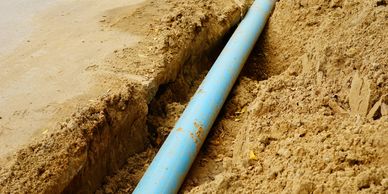
When your water line fails, you often notice it through reduced pressure at the tap, pooling water near the street connection, or a sudden spike in your water bill.
These problems typically stem from corroded metal pipes, frost damage, or breaks caused by ground settling. Aging service lines common in established neighborhoods around Mid Michigan are especially prone to these issues, and fixing them requires accurate trenching that reaches the damaged section without disturbing surrounding utilities.
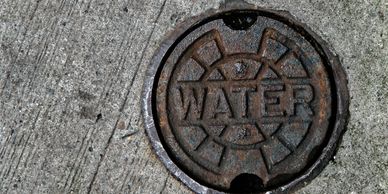
L and L excavating handles both water line replacement and trenching for utilities, digging carefully to access city water lines that connect your home or business to the municipal supply.
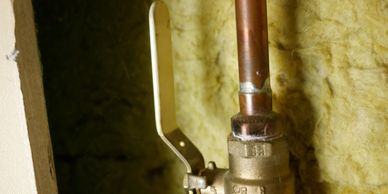
The work involves identifying the exact location of the break, excavating a trench wide enough to remove the old pipe, and installing a new line that meets current code standards.
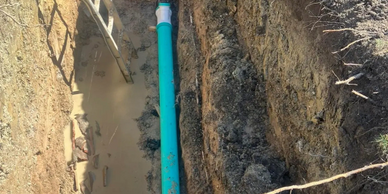
Ground conditions in Mid Michigan vary from clay to sandy loam, and knowing how each behaves under excavation equipment prevents collapse and keeps the repair area stable during installation.
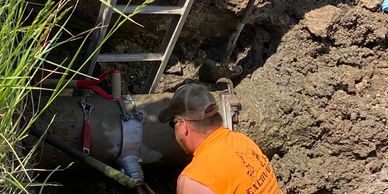
If you are dealing with a suspected water line issue in Mid Michigan, contact L&L Excavating to schedule service and restore your water connection.