L&L Excavating

L&L ExcavatingL&L ExcavatingL&L Excavating
Home
About
Demolition
Basement Waterprodfing
Sewer Instillation/Repair
Excavation
Septic Field Instillation
Waterline Repair/Install
Site Work
Concrete Work
Land Clearing/Mulching
Foundation Repair
Gallery

L&L Excavating

L&L ExcavatingL&L ExcavatingL&L Excavating
Home
About
Demolition
Basement Waterprodfing
Sewer Instillation/Repair
Excavation
Septic Field Instillation
Waterline Repair/Install
Site Work
Concrete Work
Land Clearing/Mulching
Foundation Repair
Gallery
More
  • Home
  • About
  • Demolition
  • Basement Waterprodfing
  • Sewer Instillation/Repair
  • Excavation
  • Septic Field Instillation
  • Waterline Repair/Install
  • Site Work
  • Concrete Work
  • Land Clearing/Mulching
  • Foundation Repair
  • Gallery
  • Home
  • About
  • Demolition
  • Basement Waterprodfing
  • Sewer Instillation/Repair
  • Excavation
  • Septic Field Instillation
  • Waterline Repair/Install
  • Site Work
  • Concrete Work
  • Land Clearing/Mulching
  • Foundation Repair
  • Gallery

CLEAR GROUND FOR WHAT COMES NEXT

Landscaping

Let us handle the full process from permit coordination to final site clearing.

Landscaping
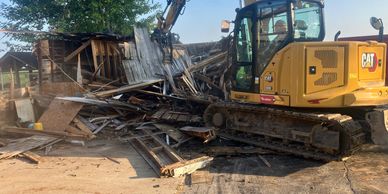
Whether the structure is a century-old farmhouse with settling timber or a commercial building ready for redevelopment, you need a crew that knows how to work around mixed materials and understands the soil and groundwater conditions 

Landscaping

Landscaping

Landscaping
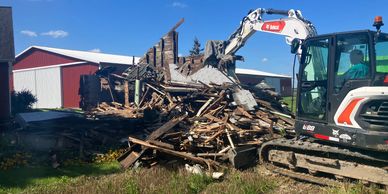
L&L removes structures entirely, using heavy equipment to dismantle walls, floors, and foundations before clearing debris from the site.

Landscaping
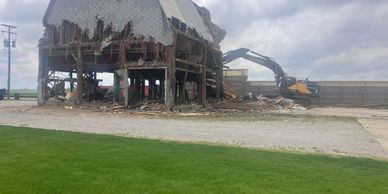
You can expect controlled demolition that prioritizes safety and leaves no structural remnants behind.
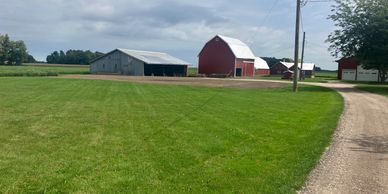
Once the structure is removed, you will see bare ground with no remnants of walls, footings, or foundation slabs. The lot is graded to match surrounding elevations and prepared for whatever use comes next, whether that is a new build or land resale.
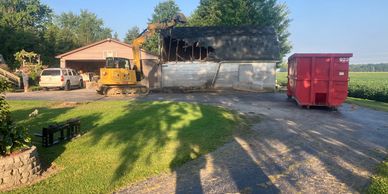
If you are ready to remove a building and prepare your property for its next use, reach out to L and L excavating to discuss site conditions, access, and timing.

Frequently Asked Questions

What permits are required for structure demolition?

What happens to the debris after the building comes down?

What happens to the debris after the building comes down?


You typically need a local demolition permit, and L&L coordinates that process as part of the service. Requirements depend on structure type and size, and we make sure everything is filed correctly before work begins.

What happens to the debris after the building comes down?

What happens to the debris after the building comes down?

What happens to the debris after the building comes down?

All debris is sorted, loaded, and hauled offsite to appropriate disposal facilities. You will not be responsible for managing waste removal or cleanup.

Why does local soil condition matter during demolition?

What should I do if the structure has old wiring or plumbing?

What should I do if the structure has old wiring or plumbing?

Soil affects how foundation material is excavated and how the site is graded after removal. Properties in the Tri-Cities often sit on clay-heavy soil that retains moisture, which can influence equipment operation and final grading.

What should I do if the structure has old wiring or plumbing?

What should I do if the structure has old wiring or plumbing?

What should I do if the structure has old wiring or plumbing?

Utilities should be disconnected by the appropriate service provider before demolition begins. If you are unsure about active lines, we can walk the site with you and help identify what needs to be shut off.

Copyright © 2026 L& L Excavating - All Rights Reserved.


Powered by

This website uses cookies.

We use cookies to analyze website traffic and optimize your website experience. By accepting our use of cookies, your data will be aggregated with all other user data.

Accept