L&L Excavating

L&L ExcavatingL&L ExcavatingL&L Excavating
Home
About
Demolition
Basement Waterprodfing
Sewer Instillation/Repair
Excavation
Septic Field Instillation
Waterline Repair/Install
Site Work
Concrete Work
Land Clearing/Mulching
Foundation Repair
Gallery

L&L Excavating

L&L ExcavatingL&L ExcavatingL&L Excavating
Home
About
Demolition
Basement Waterprodfing
Sewer Instillation/Repair
Excavation
Septic Field Instillation
Waterline Repair/Install
Site Work
Concrete Work
Land Clearing/Mulching
Foundation Repair
Gallery
More
  • Home
  • About
  • Demolition
  • Basement Waterprodfing
  • Sewer Instillation/Repair
  • Excavation
  • Septic Field Instillation
  • Waterline Repair/Install
  • Site Work
  • Concrete Work
  • Land Clearing/Mulching
  • Foundation Repair
  • Gallery
  • Home
  • About
  • Demolition
  • Basement Waterprodfing
  • Sewer Instillation/Repair
  • Excavation
  • Septic Field Instillation
  • Waterline Repair/Install
  • Site Work
  • Concrete Work
  • Land Clearing/Mulching
  • Foundation Repair
  • Gallery

BUILD A SYSTEM THAT HANDLES YOUR WASTEWATER

If you live on a rural property in without access to municipal sewer, your septic field is the part of the system that treats and disperses wastewater into the soil.

L&L Excavating installs septic drain fields for new construction and replacement systems, using proper excavation and grading to support long-term performance.
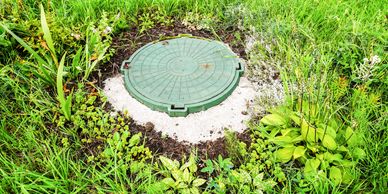
Soil conditions in this part of Michigan vary from sandy loam to heavy clay, and each type affects how well the field drains and how large the system needs to be.
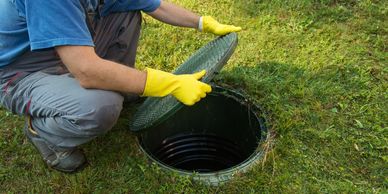
This service includes excavation for the drain field area, placement of distribution lines, and installation of gravel and filtration layers that allow effluent to percolate into the soil. 

The work ensures correct placement and slope so the system operates reliably without surfacing or backup. You get a septic field that meets local health department requirements and handles your household or building wastewater without failure.

After installation, you will see a restored yard surface with no standing water or odor, and your septic system will drain properly without backup into the house or surfacing in the yard. Wastewater moves from the tank into the field and filters through soil as it is designed to do.

Frequently Asked Questions

What determines the size of a septic field?

What happens if the soil does not drain well?

What happens if the soil does not drain well?

Field size is based on your daily wastewater volume and how well your soil absorbs liquid. A soil percolation test measures absorption rate, and the health department sets minimum square footage requirements.

What happens if the soil does not drain well?

What happens if the soil does not drain well?

What happens if the soil does not drain well?

If soil percolation is slow, the field may need to be larger, or an engineered system with additional drainage features may be required. We coordinate with your septic designer or health department to meet those needs.

How long does septic field installation take?

How long does septic field installation take?

How long does septic field installation take?

Most residential drain fields are installed in one to three days, depending on size, soil conditions, and site access. Weather and ground moisture can affect timing.

Why do septic fields fail over time?

How long does septic field installation take?

How long does septic field installation take?

Fields fail when the soil becomes clogged with solids, when the system is undersized, or when groundwater saturates the area. Proper installation and regular tank pumping help prevent early failure.

Copyright © 2026 L& L Excavating - All Rights Reserved.


Powered by

This website uses cookies.

We use cookies to analyze website traffic and optimize your website experience. By accepting our use of cookies, your data will be aggregated with all other user data.

Accept